







Going big and going green can work together for Hong Kong mega-events




Going big and going green can work together for Hong Kong mega-events

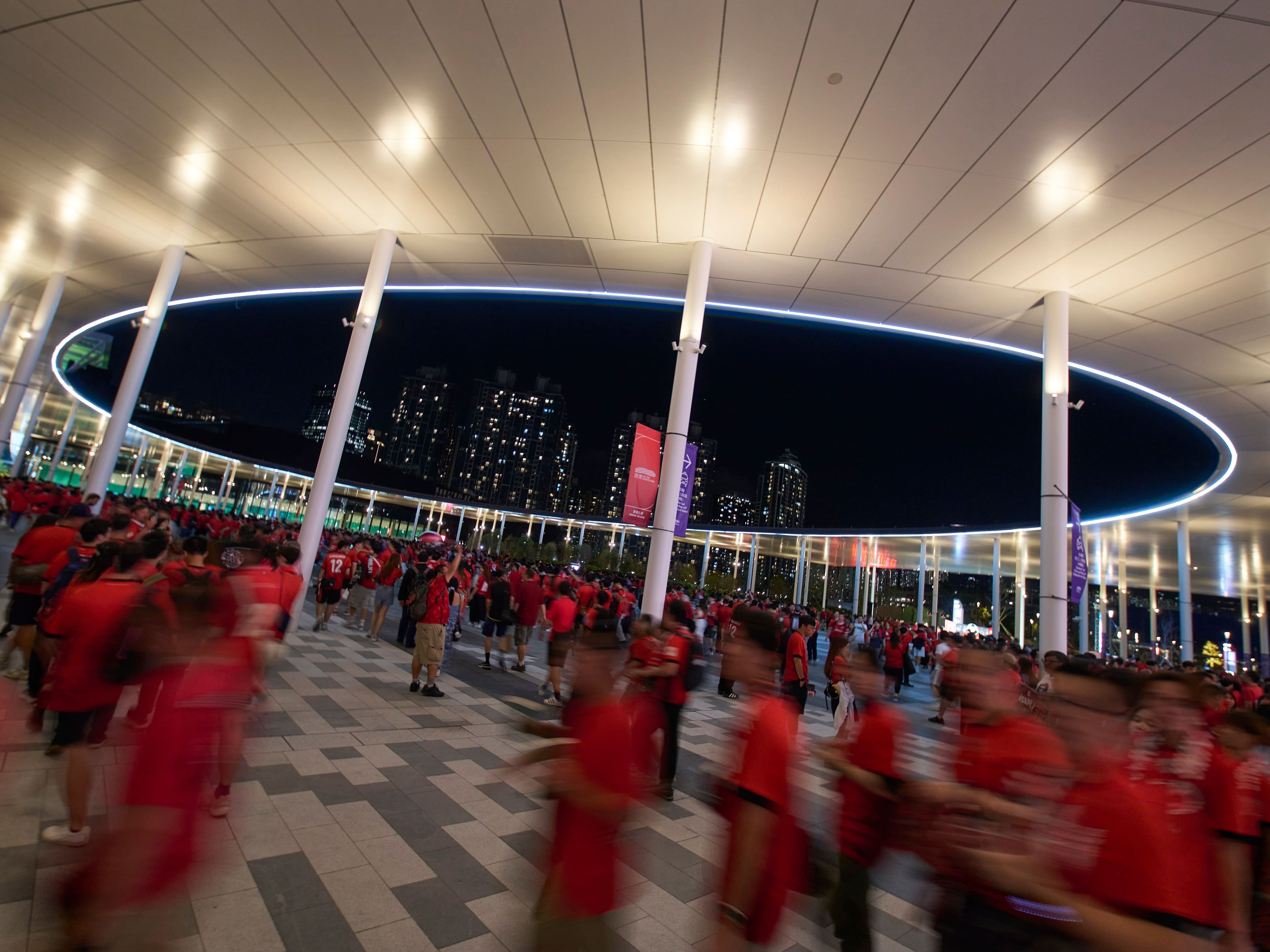
Hong Kong’s mega-event economy is thriving. In a blog post last month, Financial Secretary Paul Chan Mo-po noted that in the first half of 2026, the city hosted more than 130 mega-events, drawing 1.75 million visitors and injecting roughly HK$5.8 billion (US$739.9 million) into the local economy.
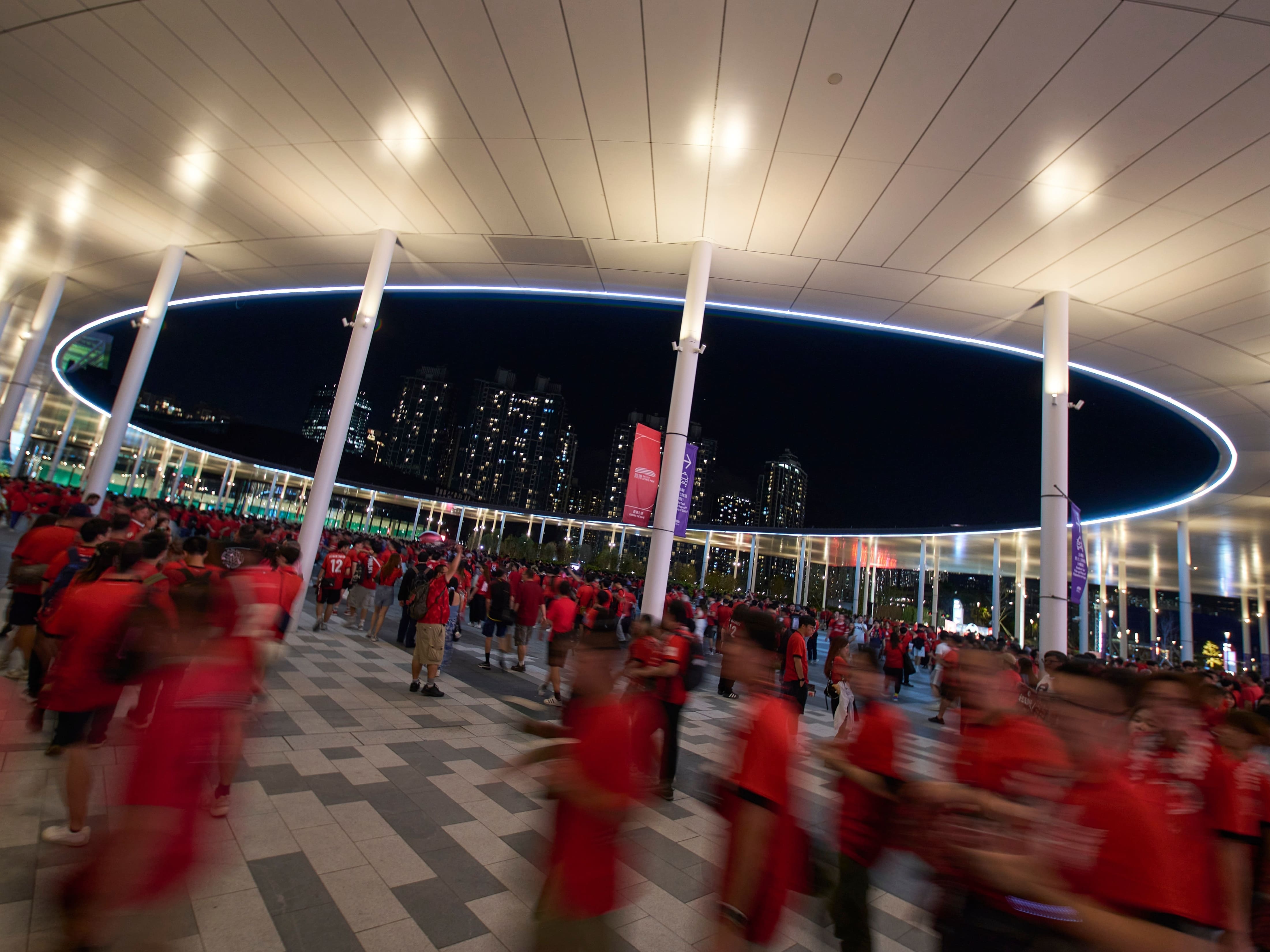
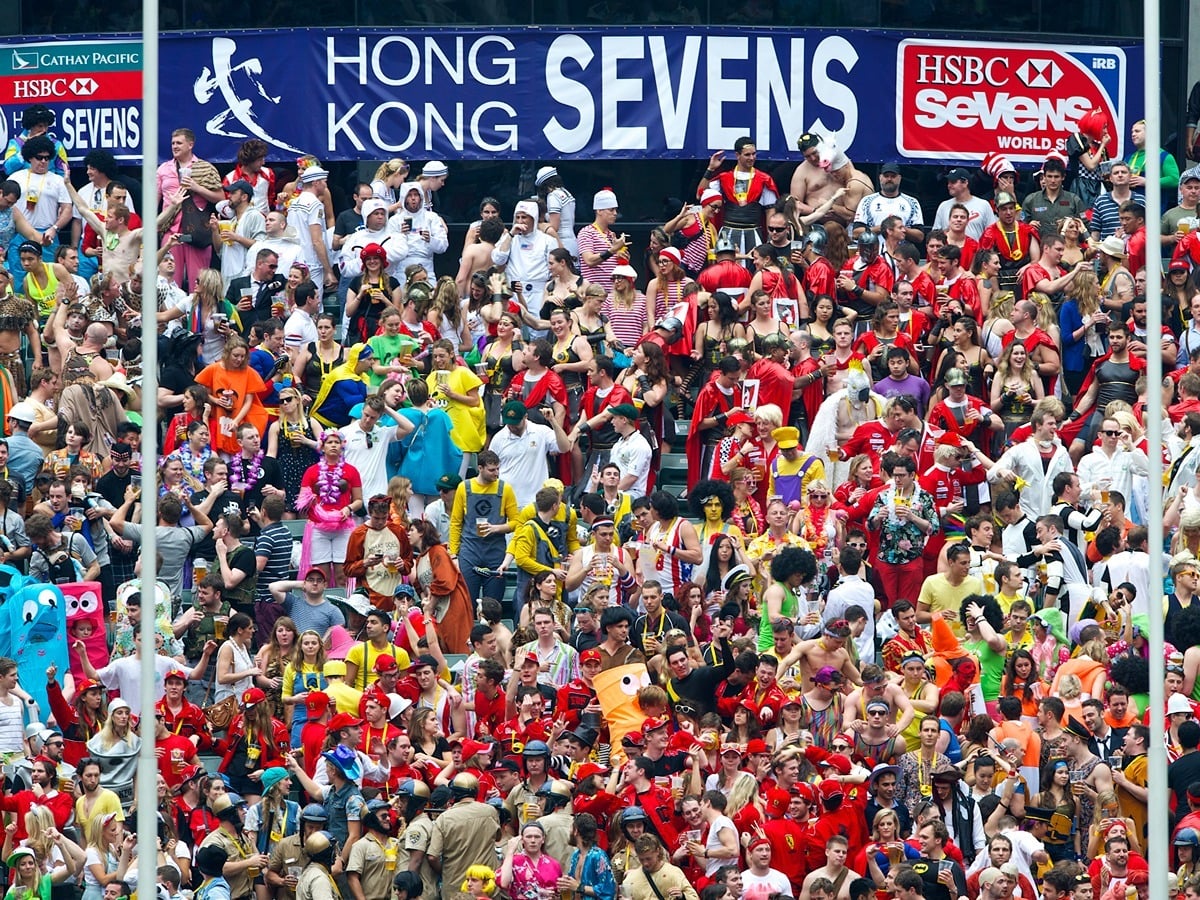
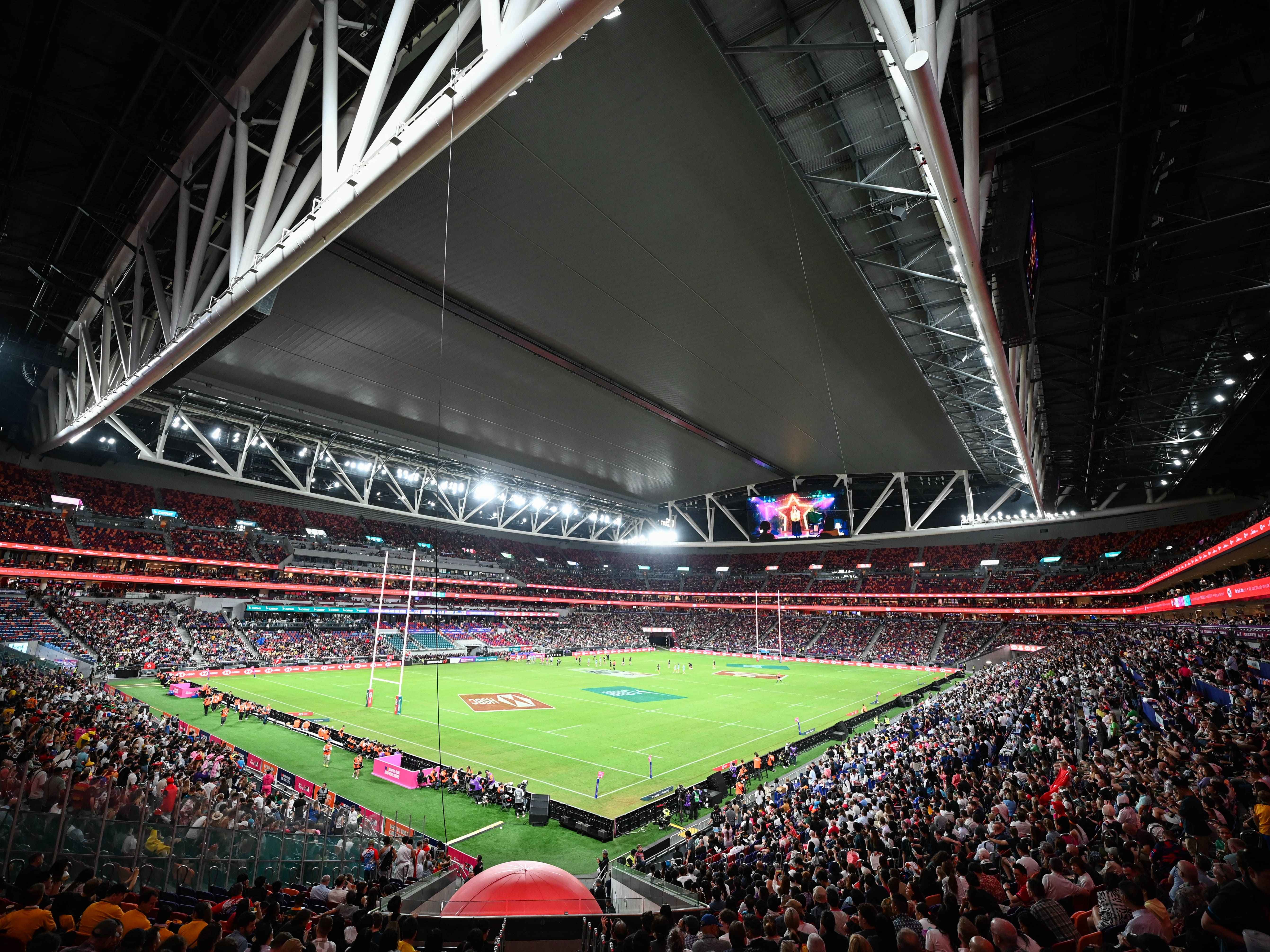
These figures are the ongoing dividends of the government’s sustained policy and financial backing. This momentum is well-documented: in the last two years, the concerts of global A-listers such as Coldplay and Blackpink drew hundreds of thousands of fans and generated millions of dollars in ticket sales, while the 2025 Hong Kong Sevens delivered a HK$768 million boost.
While sold-out stadiums and economic gains capture the headlines, a lesser-known aspect of these mega-events is their commitment to environmental sustainability.
By introducing features such as a recycling leaderboard, Coldplay made going green fun, boosting LED wristband return rates to an impressive 94 per cent in Hong Kong and reducing their global tour emissions by 59 per cent compared to their previous tour.
These efforts reflect a shift across the event sector. Blackpink’s management company, YG Entertainment, introduced event-level carbon tracking, ensuring their 2026 Hong Kong concert conducted rigorous carbon accounting. The 2024 Paris Olympics halved its carbon footprint compared to previous Games.
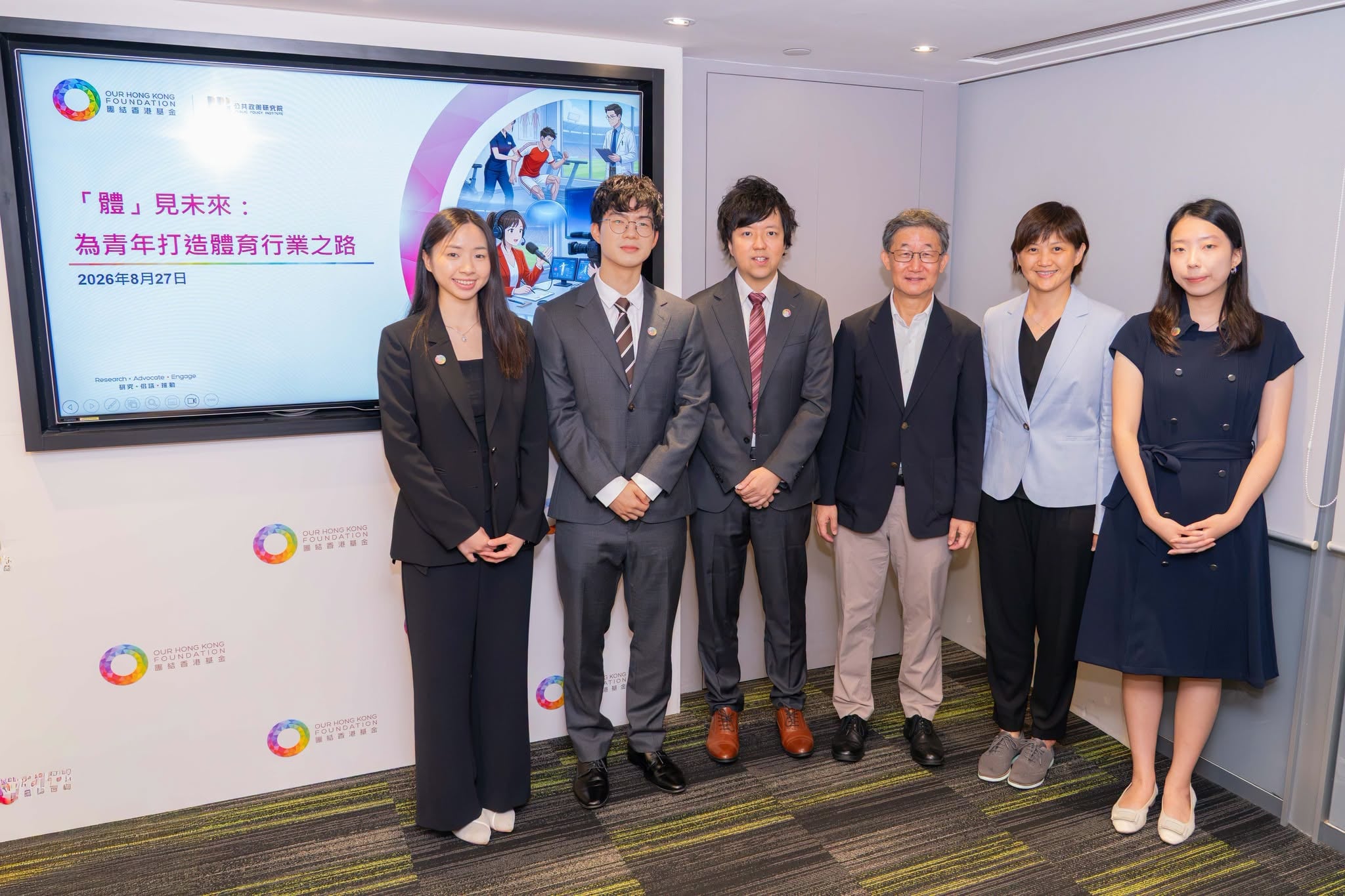
As consumers and businesses increasingly value sustainability and extreme weather becomes more commonplace, greening Hong Kong’s mega-event economy should no longer be optional. A report by Our Hong Kong Foundation estimates that greening our mega-events could bring around HK$1 billion annually – all while reducing emissions.
A 2023 Eventbrite survey found that 69 per cent of event organisers saw carbon mitigation as a key priority, so inaction could put us at risk of losing flagship events. Some might fear strict environmental rules will drive away events, but Singapore proves otherwise. After introducing its MICE Sustainability Roadmap in 2022, Singapore’s visitors for meetings, incentives, conferences and exhibitions (MICE) still grew, showing environmental and economic gains can work in parallel.
Moreover, a green transition could spawn a lucrative local market for specialised goods and services, driving job creation in fields such as carbon accounting and sustainable booth design.
This is the right time to act. With the government expected to update its Climate Action Plan 2050 later this year, Hong Kong has an immediate policy window to future-proof its mega-event industry.
First, the government should explicitly incorporate green mega-events into this coming update. Currently, green events are considered an event- or sector-specific agenda, which constrains cross-bureau cooperation and funding priorities. Making this a strategic priority will break down bureaucratic silos.
This should be followed by a tailored decarbonisation road map for large-scale events. Drawing on guidelines already established in mainland provinces and cities, the road map should clearly define carbon accounting metrics, emission boundaries, and carbon offset mechanisms.
Second, practical steps are needed to drive market demand. Flagship events such as Art Basel and the Hong Kong Sevens carry massive global visibility, making them perfect platforms to showcase sustainable best practices.
The government could require a green event plan during funding applications, ensuring sustainability is embedded from pre-event planning to post-event teardown. This mirrors the approach by UK Sport, which has mandated similar requirements since 2023. To help the local industry adapt, a phased roll-out along with bonus funding of up to HK$1 million for voluntary submissions could be introduced.
What about MICE events? While largely commercially funded, most take place in government-affiliated venues, specifically the Hong Kong Convention and Exhibition Centre and AsiaWorld-Expo. With contract renewals for both these venues approaching, the government has an opportunity to integrate green operating clauses into the tenders, greening the broader MICE industry by mandating venue-level environmental standards.
Third, supply-side interventions should happen simultaneously. To help organisers confidently identify verified green suppliers, a centralised green supplier directory – managed by the government alongside accredited bodies like the Hong Kong Quality Assurance Agency – should be established.
Following this, the “green premium” must be addressed. According to McKinsey, sustainable alternatives can carry a price premium of 16 to 40 per cent. The government could launch an e-green voucher scheme offering subsidies to organisers that procure goods and services from verified suppliers in the directory.
Ultimately, environmental sustainability and economic vitality are two sides of the same coin. By embedding green standards into our event infrastructure, Hong Kong can ensure its position as an event host remains competitive and irresistible to global organisers.


Hong Kong’s mega-event economy is thriving. In a blog post last month, Financial Secretary Paul Chan Mo-po noted that in the first half of 2026, the city hosted more than 130 mega-events, drawing 1.75 million visitors and injecting roughly HK$5.8 billion (US$739.9 million) into the local economy.
These figures are the ongoing dividends of the government’s sustained policy and financial backing. This momentum is well-documented: in the last two years, the concerts of global A-listers such as Coldplay and Blackpink drew hundreds of thousands of fans and generated millions of dollars in ticket sales, while the 2025 Hong Kong Sevens delivered a HK$768 million boost.
While sold-out stadiums and economic gains capture the headlines, a lesser-known aspect of these mega-events is their commitment to environmental sustainability.
By introducing features such as a recycling leaderboard, Coldplay made going green fun, boosting LED wristband return rates to an impressive 94 per cent in Hong Kong and reducing their global tour emissions by 59 per cent compared to their previous tour.
These efforts reflect a shift across the event sector. Blackpink’s management company, YG Entertainment, introduced event-level carbon tracking, ensuring their 2026 Hong Kong concert conducted rigorous carbon accounting. The 2024 Paris Olympics halved its carbon footprint compared to previous Games.
As consumers and businesses increasingly value sustainability and extreme weather becomes more commonplace, greening Hong Kong’s mega-event economy should no longer be optional. A report by Our Hong Kong Foundation estimates that greening our mega-events could bring around HK$1 billion annually – all while reducing emissions.
A 2023 Eventbrite survey found that 69 per cent of event organisers saw carbon mitigation as a key priority, so inaction could put us at risk of losing flagship events. Some might fear strict environmental rules will drive away events, but Singapore proves otherwise. After introducing its MICE Sustainability Roadmap in 2022, Singapore’s visitors for meetings, incentives, conferences and exhibitions (MICE) still grew, showing environmental and economic gains can work in parallel.
Moreover, a green transition could spawn a lucrative local market for specialised goods and services, driving job creation in fields such as carbon accounting and sustainable booth design.
This is the right time to act. With the government expected to update its Climate Action Plan 2050 later this year, Hong Kong has an immediate policy window to future-proof its mega-event industry.
First, the government should explicitly incorporate green mega-events into this coming update. Currently, green events are considered an event- or sector-specific agenda, which constrains cross-bureau cooperation and funding priorities. Making this a strategic priority will break down bureaucratic silos.
This should be followed by a tailored decarbonisation road map for large-scale events. Drawing on guidelines already established in mainland provinces and cities, the road map should clearly define carbon accounting metrics, emission boundaries, and carbon offset mechanisms.
Second, practical steps are needed to drive market demand. Flagship events such as Art Basel and the Hong Kong Sevens carry massive global visibility, making them perfect platforms to showcase sustainable best practices.
The government could require a green event plan during funding applications, ensuring sustainability is embedded from pre-event planning to post-event teardown. This mirrors the approach by UK Sport, which has mandated similar requirements since 2023. To help the local industry adapt, a phased roll-out along with bonus funding of up to HK$1 million for voluntary submissions could be introduced.
What about MICE events? While largely commercially funded, most take place in government-affiliated venues, specifically the Hong Kong Convention and Exhibition Centre and AsiaWorld-Expo. With contract renewals for both these venues approaching, the government has an opportunity to integrate green operating clauses into the tenders, greening the broader MICE industry by mandating venue-level environmental standards.
Third, supply-side interventions should happen simultaneously. To help organisers confidently identify verified green suppliers, a centralised green supplier directory – managed by the government alongside accredited bodies like the Hong Kong Quality Assurance Agency – should be established.
Following this, the “green premium” must be addressed. According to McKinsey, sustainable alternatives can carry a price premium of 16 to 40 per cent. The government could launch an e-green voucher scheme offering subsidies to organisers that procure goods and services from verified suppliers in the directory.
Ultimately, environmental sustainability and economic vitality are two sides of the same coin. By embedding green standards into our event infrastructure, Hong Kong can ensure its position as an event host remains competitive and irresistible to global organisers.